Reviews ON is a practical, reader-first publication offering honest comparisons and side-by-side picks across technology topics. This home page orients visitors to the kinds of insights we provide, the style we use, and how to navigate our core sections. Our aim is to help readers in the United States and beyond make quick, well-informed decisions about tools, software, devices, and services. We ground our coverage in real-world usefulness, clear criteria, and transparent reasoning.
Across the site we cover practical how-tos, product comparisons, setup guides, and troubleshooting tips that people encounter in everyday tech work. Expect content on VPNs, privacy features, network gear, streaming access, software configuration, and developer workflows. Our approach favors concrete details: pricing in USD when relevant, model names, version numbers, and step-by-step instructions that you can follow without ambiguity. We also highlight local considerations that matter to everyday users—whether you’re a student, remote worker, or IT hobbyist.
What you’ll find here: practical configuration guidance, side-by-side comparisons, setup walkthroughs, problem-solving steps, and curated recommendations. In this orientation, we showcase several topic clusters you’ll encounter: VPN setup and troubleshooting, streaming and geo-access, network hardware and firmware, software installation on Windows/macOS/Linux, and secure remote access for small teams. We keep a steady eye on user experience, performance metrics, and reliability, so you can align choices with your needs and budget.
Our editorial compass centers on clarity, fairness, and accessibility. We minimize hype and focus on verifiable details: supported platforms, connection types, encryption standards, and real-world speeds. We compare options side by side to highlight both strengths and trade-offs, helping you move from indecision to confident selection. We also acknowledge the realities of the market: frequent updates, evolving pricing, and shifting service terms. When a product changes, we adjust our guidance to reflect current conditions.
What to expect in our home hub
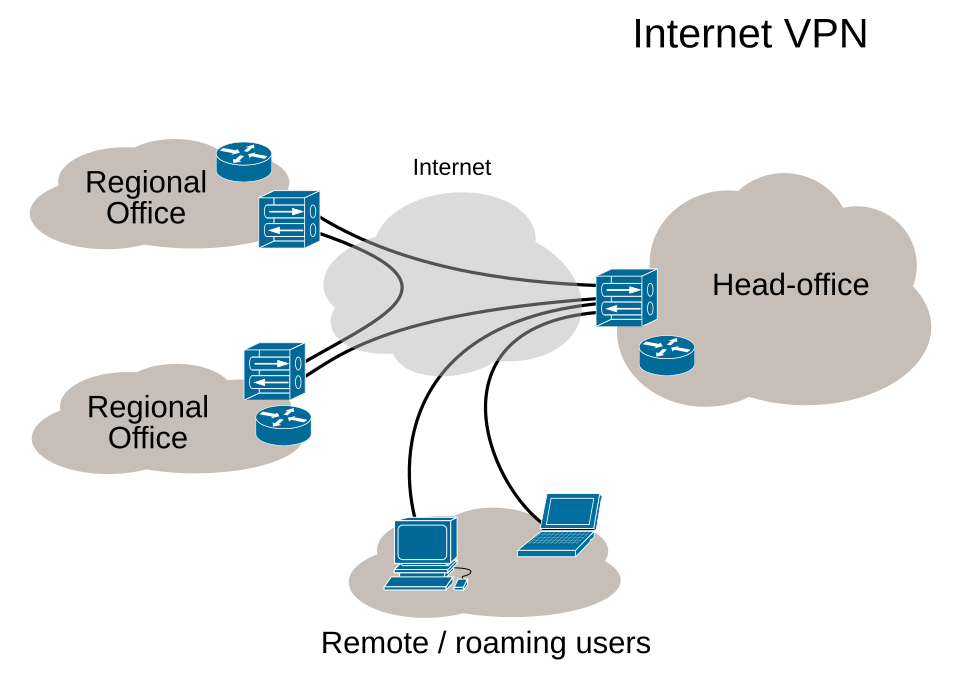
Virtual private network (Autor: Ludovic.ferre ( talk · contribs ) · Licencia: CC BY-SA 4.0 · Fuente: Wikimedia Commons)
On the home page you’ll see a curated overview of topics with quick access to the most relevant guides. We present practical, action-oriented content that you can act on today. Because this audience spans different regions, we emphasize universal principles—security, privacy, performance, and ease of use—while weaving in concrete country-specific details where relevant and constructive.
Live content themes you’ll recognize include clear how-tos for installing and configuring software, reliable troubleshooting steps for common pain points, and straightforward comparisons of competing products or services. We favor explicit, measurable information: USD pricing examples, model-and-version references, and explicit steps you can reproduce at home or in a small office.
Evidence of coverage and approach
Our article mix demonstrates the breadth of practical topics readers seek. For instance, when evaluating VPNs we compare subscription plans, speeds, and privacy features; for streaming access we test geo-unblocking capabilities and device compatibility; and for network gear we assess setup ease, compatibility with home routers, and firmware update cycles. These patterns recur across posts to give you consistent benchmarks you can trust.
Why this matters for you The world of tech choices is crowded and sometimes opaque. By presenting side-by-side comparisons, transparent criteria, and concrete numbers, we help you avoid decision fatigue. Our USD pricing examples keep the math straightforward for readers in the United States while remaining applicable to a global audience that frequently cross-shops the same services. We also point out regional considerations that matter without locking you into one locale.
Country-specific snapshots you’ll encounter in our guidance
While we write for an international audience, concrete local details illuminate practical decisions. For example, VPN pricing often appears in USD, with popular plans from providers like NordVPN and ExpressVPN highlighted in terms of monthly and annual costs. We reference widely available payment methods such as credit cards, PayPal, and regional options where relevant, and we note privacy or regulatory contexts that readers may encounter when choosing a service. In several guides you’ll see mentions of local infrastructure realities, such as typical residential broadband speeds in urban centers, common ISP names, and the realities of router setups in home networks.
In this orientation we also name specific examples to anchor your understanding: cities that frequently appear in setup guides, typical home router models used in North America and Europe, and common streaming platforms that readers seek to access via VPNs or smart DNS tricks. These anchors help you map our guidance to your own environment and constraints.
How to use Reviews ON effectively
Start with the home page to get a snapshot of our current focus areas, then drill into the sections that match your needs. If you’re evaluating two or three services, our side-by-side comparison tables will quickly show you the differences in features, pricing, and compatibility. For hands-on tasks like configuring a VPN on a router or setting up a Windows workstation, follow our step-by-step guides that pair screenshots or precise command lines with practical tips. When you see a post that matches your situation, read the quick verdicts and then browse the detailed criteria and data behind the assessment.
Quick navigation tips: use the main navigation to jump to VPNs, streaming access, network gear, and software installation guides. Open each guide to view the feature matrix, supported devices, and any caveats. If a post presents a price, you’ll see USD figures for apples-to-apples comparisons. We also provide a short, curated list of related reads so you can extend your understanding without leaving the page.
A glance at our comparison table approach
Tables are a core tool in our home hub. They compress the essential trade-offs into a readable format, helping you compare plans, performance metrics, and policy terms at a glance. Each table carries a short interpretation and a link to the full guide for readers who want to dive deeper into the data behind the numbers.
Sample site table
Provider
Plan
Price (USD)
Key Features
NordVPN
Standard
11.99
Double VPN, 6-device limit, 30-day refund
ExpressVPN
Monthly
12.95
10 device limit, strong encryption, 24/7 support
Private Internet Access
Annual
9.95
WireGuard + OpenVPN, no-logs policy, wide server network
Note that prices in the table reflect typical USD pricing as seen in global market promotions. Actual prices can vary based on promotions, billing cycles, and regional offers. Always check the current terms on the provider’s official page before purchase.
What makes this home page different
Our home orientation purposely centers on usability and transparency. We avoid hype and present facts that help you form a solid opinion quickly. You’ll find a balanced mix of how-to content, comparative analyses, and practical tips drawn from ongoing testing and real-world usage. The goal is steady reliability, not sensational headlines.
Reader-first design means clear language, concrete steps, and easily scannable sections. If you’re skimming, you’ll spot bolded phrases that indicate the main takeaway, a quick verdict, or the action you should take next. If you want depth, you’ll find linked guides that unpack the decision criteria in detail.
Closing note on scope and standards
We treat privacy, security, and performance as the core concerns across all our topics. Whether you’re evaluating a VPN for streaming, securing a home office, or setting up a local network, we apply consistent criteria: compatibility, ease of use, transparency in terms, and value for money. We keep our tone even-handed and practical, focusing on why a choice works in a given scenario rather than making broad promises.