Compiled November 2026; check the provider's site for current details.
What this category covers
Our VPN Guides category curates reliable, plain-language content about virtual private networks. We focus on practical guidance, straightforward comparisons, and hands-on tips readers can apply right away. Expect clear explanations of how VPNs protect privacy, how to choose features that fit your needs, and step-by-step how-tos for common tasks. We cover core topics such as selecting a VPN for privacy vs. streaming, understanding encryption and protocols, setup guides across devices, pricing and value comparisons, and how regional laws and policies shape VPN usage.
Below you’ll find clusters of topics that routinely appear in this section. These clusters help readers quickly locate the kind of guidance they want:
Choosing a VPN — factors to weigh including encryption standards, WireGuard vs OpenVPN, jurisdiction, logging policies, and reliability.
Setup and usage — step-by-step instructions for Windows, macOS, iOS, Android, and browser extensions, plus troubleshooting tips.
Privacy and security — how VPNs shield traffic from ISPs and public Wi‑Fi risks, plus common pitfalls and misperceptions.
Streaming and geo‑unblocking — how to access content from services like Netflix, Disney+, and other regional catalogs while respecting terms of service.
Pricing and value — plan comparisons, promotions, and practical budgeting guidance using USD as the baseline, with typical annual and monthly options.
Performance and protocol notes — how server load, location, and protocol choices affect speed and reliability on networks ranging from home broadband to mobile data.
In this category you’ll also see concrete, country-specific context that matters for real-world use. For example, we reference common consumer markets and providers such as NordVPN and ExpressVPN, present pricing in USD, and consider regulatory environments that influence how readers evaluate privacy tools. Expect hands-on considerations tied to recognizable services, not abstract theory.
What to expect on this page
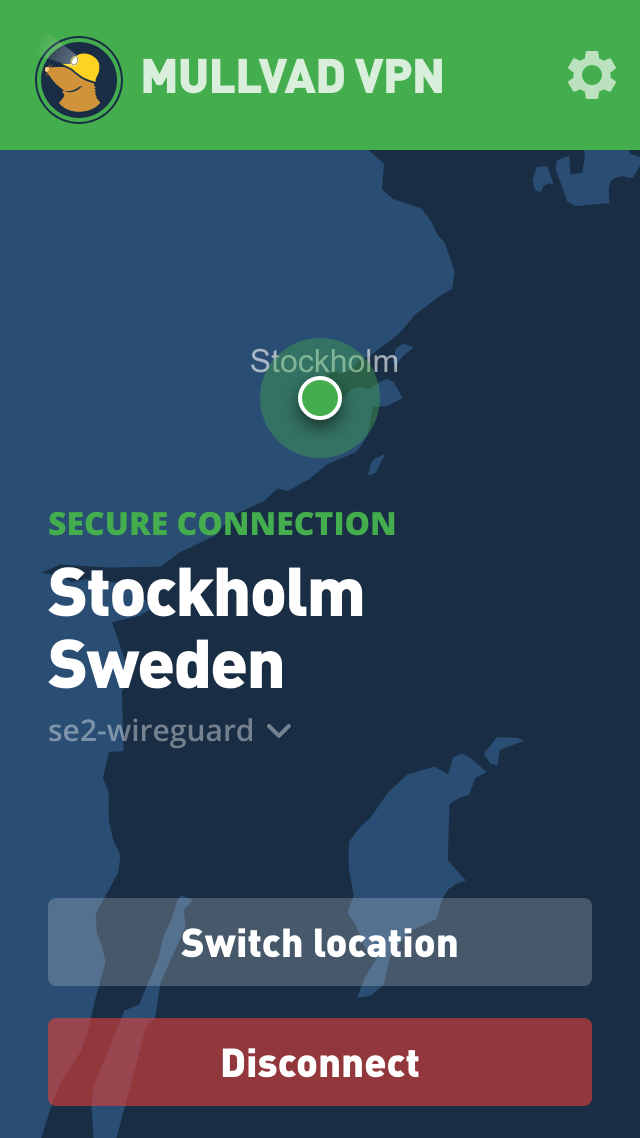
Mullvad (Autor: Newslinger · Licencia: CC0 · Fuente: Wikimedia Commons)
This orientation page surfaces how VPN guides are organized and how to read the comparisons ahead. It is designed to help readers quickly gauge what matters most when evaluating a VPN for personal privacy, streaming, or secure browsing. We present real-world price points, service names, and feature notes to anchor decision making, not vague promises.
Across the site you will encounter practical checklists, quick-start workflows, and side-by-side comparisons that highlight strengths and trade-offs. A typical comparison table might contrast providers like NordVPN, ExpressVPN, Surfshark, and Mullvad on factors such as price, server count, supported platforms, and available protocols. Hotspot Shield reviews Reddit
Here is a concrete snapshot of how we present a typical comparison, followed by a broader view of regional realities readers should consider.
Provider
Starting Price (USD)
Protocols
Servers
NordVPN
$11.99/mo (billed $119.88/yr)
WireGuard, OpenVPN
6,000+ servers
ExpressVPN
$12.95/mo (billed $143.88/yr)
WireGuard, OpenVPN
3,000+ servers
Surfshark
$2.49/mo (billed $59.76/yr)
WireGuard, OpenVPN
3,200+ servers
As you scroll, you’ll notice sections tailored to readers in the United States and readers elsewhere. We anchor these notes with concrete, non-regional specifics: USD pricing, common consumer use cases, and familiar provider names. You will also see references to local infrastructure and regulatory realities that can affect VPN choice, such as data privacy expectations, mandatory data retention policies in some jurisdictions, and payment methods that are prevalent in the U.S. market, including major cards and digital wallets.
Concrete, country-specific touchpoints
When evaluating VPNs for a typical U.S. reader, we consider:
Local services and streaming such as Netflix US, Disney+, Amazon Prime Video, and Hulu. A VPN should reliably access these catalogs without excessive buffering.
Common payment methods in USD, including credit/debit cards, PayPal, and prepaid options where available.
Device ecosystems including Windows 11, macOS Ventura, iOS 17, and Android 14 compatibility.
Privacy framework references like general data minimization norms and consumer protection expectations that influence trust in a VPN provider.
Regulatory context such as general data protection principles and regional guidance from prominent privacy organizations that readers may consult when comparing providers.
Readers can expect to see real-world examples and prices that reflect what a typical household might encounter when subscribing to a yearly plan. The aim is to help you identify value-for-money decisions, note any seasonal promotions, and understand how features translate into everyday use.
Compiled November 2026; check the provider's site for current details.
Why this category matters
Virtual private networks provide a practical layer of privacy, security, and flexibility. They help protect data on public Wi-Fi, reduce tracking on networks you don’t control, and unlock streaming libraries that are tailored by geography. Our VPN Guides team emphasizes transparency and apples-to-apples comparisons so you can see where each service shines and where trade-offs exist. Realistic price points, credible feature palettes, and plain-language explanations are the backbone of this category.
Whether you are a casual browser, a remote worker, or a streaming enthusiast, you will find guidance that speaks to your needs. Expect concise summaries, direct recommendations, and practical steps to deploy a VPN across devices. The catalog grows with fresh takes on new protocols, updated pricing cycles, and ongoing testing of provider performance under typical home network conditions.
We also acknowledge that readers often look for a straightforward workflow: choose a provider, install the client, connect to a server, and verify privacy protections. This orientation page sets the stage for those steps by laying out the landscape, the commonly cited trade-offs between speed and privacy, and the real-world prices you’ll encounter when evaluating NordVPN, ExpressVPN, Surfshark, Mullvad, and others in this category.