Setup vpn extension for edge: how to install, configure, and optimize a VPN extension on Microsoft Edge 2026
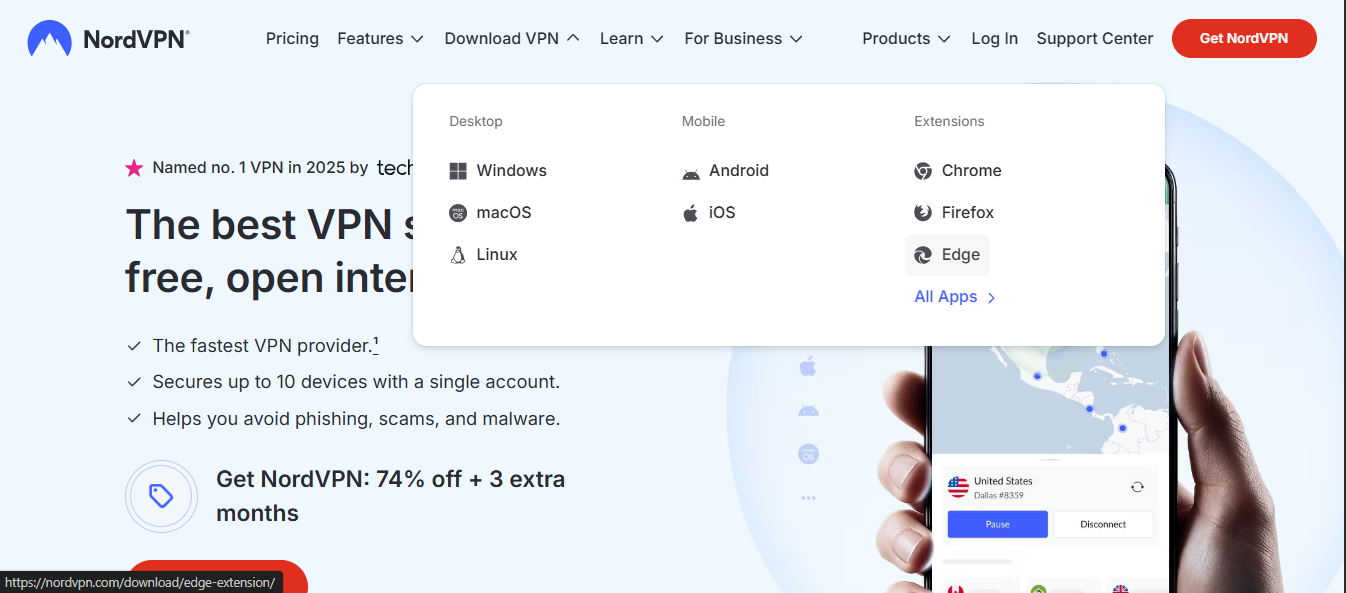
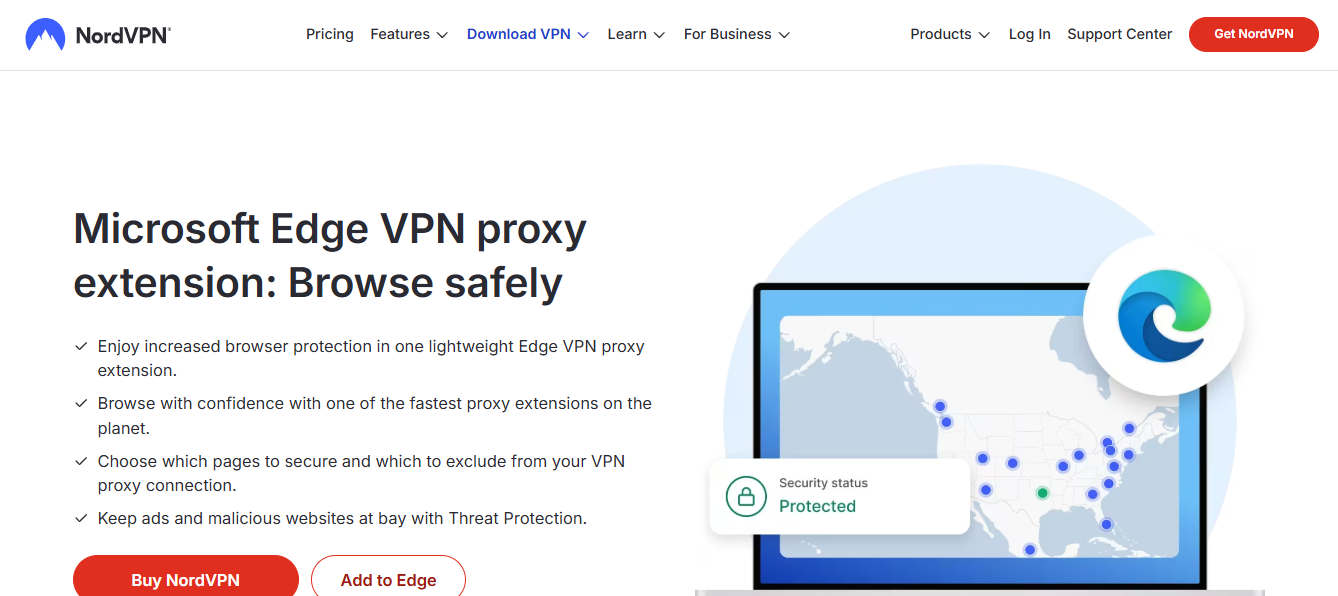
Setup vpn extension for edge how to install configure and optimize a vpn extension on microsoft edge — a practical, step-by-step guide to getting a VPN extension up and running in Edge, plus tips to tune performance and security.
A quick fact: you can add a VPN extension to Microsoft Edge in just a few minutes and start browsing with a different virtual location today. This guide breaks down everything you need to know, from choosing the right extension to installation, configuration, and optimization. Here’s what you’ll get:
- Quick setup steps: install, sign in, and connect
- Common configuration options and what they do
- Tips to boost speed, privacy, and reliability
- Troubleshooting for typical Edge VPN extension issues
- A handy FAQ with practical answers
Useful URLs and Resources text only
- Microsoft Edge Developer – docs.edge.microsoft.com
- VPN extension marketplace – addons.mozilla.org for comparison, even though Edge uses Chrome Web Store extensions
- Wikipedia – en.wikipedia.org/wiki/Virtual_private_network
- Tech support sites – reddit.com/r/VPN, superuser.com
- Privacy resources – https://www.eff.org, https://www.avast.com
What is a VPN extension and why use it in Edge
- A VPN extension is a small add-on that routes your browser traffic through a VPN service’s server, usually by creating a secure tunnel and changing your IP address.
- In Edge, most VPN extensions come from the Chrome Web Store since Edge is Chromium-based. They’re designed to be lightweight and stop at the browser level, not system-wide by default.
- Pros: quick protection on a per-browser basis, access to geo-restricted content, easy to toggle.
- Cons: not as comprehensive as a full system VPN, some sites may still leak DNS if the provider isn’t properly configured.
Top factors to consider when choosing a VPN extension for Edge
- Privacy policy and logging: look for a no-logs claim and independent audits if possible.
- Speed and server coverage: more servers in locations you need equals better performance.
- Security features: AES-256 encryption, leak protection DNS, IPv6, kill switch, and auto-connect.
- Browser compatibility: ensure the extension is actively maintained for Edge/Chromium.
- Price and trial options: many providers offer free trials or limited free plans.
- Multi-device support: if you also want protection on mobile or other devices, check cross-device compatibility.
How to install a VPN extension on Microsoft Edge
- Step 1: Open Edge and navigate to the Extensions menu
- Click the three-dot menu in the upper-right corner, choose Extensions, then Open Microsoft Edge Add-ons or go to edge://extensions.
- Step 2: Find a VPN extension
- You can search the Edge Add-ons store or the Chrome Web Store Edge supports Chrome Web Store extensions. For best results, pick a reputable provider with recent updates.
- Step 3: Install the extension
- Click Add to Edge, confirm any permissions the extension requests. Some extensions may require you to sign in to your VPN account.
- Step 4: Pin and configure
- After installation, pin the extension to the toolbar for easy access. You’ll usually see a small VPN icon next to the address bar.
- Step 5: Sign in and connect
- Open the extension UI, sign in with your VPN account, and choose a server location. Click Connect and verify the connection status.
Common setup options you’ll encounter
- Server location selection
- Most extensions let you choose a country or city. If you’re streaming or bypassing geo-restrictions, pick a location close to your target content for better speed.
- Protocol choices
- Options may include WireGuard, OpenVPN, or a proprietary protocol. WireGuard typically offers faster speeds with strong security.
- Kill switch
- A critical feature that blocks traffic if the VPN disconnects unexpectedly, preventing data leaks.
- DNS leak protection
- Ensures DNS requests go through the VPN tunnel rather than leaking to your ISP’s DNS servers.
- Auto-connect
- Automatically connects the VPN on startup or when connecting to insecure networks like public Wi-Fi.
- Split tunneling if available
- Lets you choose which sites or apps bypass the VPN, useful for local access or streaming while keeping other traffic private.
Optimization tips for better performance and security
- Use the closest server location
- Lower latency usually means faster speeds. Test a few nearby servers to find the best balance of speed and reliability.
- Prefer WireGuard when available
- WireGuard tends to outperform traditional VPN protocols on most connections, with strong security guarantees.
- Enable kill switch and DNS protection
- Always keep these on unless you have a specific need to bypass them for testing. They protect your data in case of a sudden disconnect.
- Disable unnecessary extensions
- Too many extensions can slow down Edge. Disable non-essential extensions and keep VPN-related ones enabled.
- Clear DNS cache periodically
- After changing locations, a quick browser restart or a cache clear can prevent stale DNS data from affecting speeds.
- Test speeds with and without the VPN
- Use a simple speed test like speedtest.net to measure impact. If speeds drop more than 20-30%, switch servers or adjust settings.
- Check for IPv6 leaks
- If your VPN doesn’t support IPv6, disable IPv6 in Edge or the OS to prevent leaks edge://settings/privacy might have IPv6 options.
- Keep extensions updated
- Regular updates fix security issues and improve compatibility with Edge updates.
Troubleshooting common issues
- Issue: VPN won’t connect
- Try a different server, restart the Edge browser, or re-login to the VPN account. Make sure your internet connection is active.
- Issue: Slow speeds
- Switch servers, choose the WireGuard protocol, and ensure no conflicting network-heavy apps are running.
- Issue: DNS leaks
- Enable DNS leak protection in the extension, disable IPv6 in your OS, or use a DNS service that’s VPN-compatible.
- Issue: Extension not loading
- Disable and re-enable the extension, clear browser cache, or reinstall the extension from the Edge Add-ons store.
- Issue: Edge updates breaking compatibility
- Check the VPN provider’s support page for a patch or recommended extension version, and keep Edge updated.
Security considerations and best practices
- Use a reputable provider with audited privacy practices
- Prefer extension-level kill switch and DNS leak protection
- Avoid free VPN extensions that monetize data or show excessive ads
- Regularly review and adjust permissions granted to the extension
- Consider a system-wide VPN if you need device-wide protection, alongside the browser extension
Advanced usage scenarios
- Streaming: choose a location in the same region as the service’s servers to reduce buffering
- Gaming: connect to a nearby server to reduce ping, or use a player-friendly region if the game is geo-limited
- Public Wi-Fi: enable auto-connect on insecure networks for automatic protection
- Privacy-conscious browsing: enable strict tracking protection in Edge settings and combine with the VPN extension
Comparison: VPN extension versus full VPN app on Edge
- VPN extension
- Pros: fast to set up, low resource usage, toggles in-browser
- Cons: won’t route non-browser traffic, depends on extension security
- Full VPN app
- Pros: system-wide protection, can cover all apps and services
- Cons: higher resource usage, longer setup, sometimes more complex settings
- Best practice: use a reputable VPN extension for browser traffic, and pair with a system-wide VPN where device-wide protection is needed
Usage checklist
- Before you browse
- Pick a trusted provider, install the extension, sign in
- Enable kill switch and DNS leak protection
- Test for leaks and check your new IP location on a site like whatismyip.com
- During browsing
- Switch servers as needed for speed or access
- Keep the extension updated
- After browsing
- Disconnect if you’re done with sensitive tasks
- Review the logs or activity if your provider offers it for transparency
Table: Quick setup steps at a glance
- Step 1: Open Edge, go to Extensions, and install the VPN extension
- Step 2: Sign in to your VPN account
- Step 3: Choose a server location
- Step 4: Enable kill switch and DNS leak protection
- Step 5: Connect and test your IP location
- Step 6: Enable auto-connect on startup if desired
Table: Common settings and what they do
- Server location: Choose where you want your traffic to exit.
- Protocol: Determines how data is packaged and transported; WireGuard is fast.
- Kill switch: Blocks all traffic if VPN drops.
- DNS leak protection: Prevents DNS requests from leaking outside the VPN tunnel.
- Auto-connect: Connects automatically on startup or on insecure networks.
- Split tunneling: Allows you to bypass the VPN for selected sites or apps.
Best practices for sharing VPN extension usage in content
- Show step-by-step visuals: screen recordings of installation and connection steps
- Demonstrate multiple server locations and speeds
- Include a quick troubleshooting montage
- Offer a downloadable quick-start guide and a checklist
Frequently Asked Questions
Do VPN extensions work on Microsoft Edge?
Yes. Edge supports Chromium-based extensions, including VPN extensions from the Chrome Web Store with proper permissions.
Can I use a VPN extension for gaming?
Yes, but performance varies. Use a nearby server and ensure you’re not saturating bandwidth with other devices.
Will a VPN extension hide my IP?
Yes, most VPN extensions route traffic through a VPN server to mask your real IP.
Is a VPN extension enough for privacy?
It’s part of a privacy toolkit. For comprehensive privacy, combine browser-level protection with other security practices.
Can I run a VPN extension on both Edge and Chrome?
If you use Edge and Chrome, you can install the extension in both browsers, but your account credentials may need to be signed in on each.
How do I fix DNS leaks with a VPN extension?
Enable DNS leak protection, disable IPv6 if needed, or use VPN-provided DNS settings.
What makes WireGuard better for VPN extensions?
WireGuard is generally faster and uses modern cryptography, leading to better throughput and lower latency.
How do I know if the VPN is really protecting me?
Check your IP address and location on a site like whatismyip.com after connecting; ensure it matches the server location you chose.
Are free VPN extensions safe?
Many free extensions monetize data or inject ads. It’s safer to choose a reputable paid provider with a free trial.
How often should I update the VPN extension?
As soon as updates are available. Updates fix security issues and add features.
Conclusion non-concluding as requested This guide walks you through picking, installing, configuring, and optimizing a VPN extension for Microsoft Edge, plus practical tips to keep your browsing private and fast. Remember to test different servers, enable key security features like kill switch and DNS leak protection, and keep your extension up to date. If you want to share your own setup tips or questions, drop them in the comments and I’ll jump in with real-world tweaks.
Yes, you can set up a VPN extension for Edge. Here’s a practical, friendly guide to get you going fast, with step-by-step instructions, real-world tips, and a clear look at what Edge-specific extensions can and can’t do for your privacy and performance. If you want a quick nudge in the right direction, NordVPN is a solid choice with an Edge-compatible extension, and you can check out this deal: . Think of it as a helpful shortcut while you read through the rest of this guide.
Introduction quick guide
- What you’ll learn: how to pick an Edge-compatible VPN, install the extension, configure settings, test your connection, and troubleshoot common issues.
- Format you’ll see: concise steps, practical tips, side-by-side comparisons, and real-world scenarios streaming, public Wi‑Fi, travel, work-from-home.
- Quick-start checklists:
- Pick a reputable Edge extension not all VPNs offer Edge extensions. many provide a browser extension plus a desktop app.
- Install from the Edge Add-ons store.
- Sign in and enable the extension.
- Choose a server location, test IP and DNS, and run a few speed checks.
- Review privacy settings kill switch, DNS leak protection, auto-connect.
- Useful resources at the end: edge://extensions. support.microsoft.com for Edge. official VPN sites for on-device apps and browser extensions. and a few privacy and security references.
Useful URLs and Resources plain text, unclickable
- Edge Extensions store: edge://extensions
- Microsoft Edge support: https://support.microsoft.com/en-us/edge
- Edge extensions documentation: https://learn.microsoft.com/microsoft-edge/extensions-chromium/
- NordVPN official site: nordvpn.com
- ExpressVPN official site: expressvpn.com
- Surfshark official site: surfshark.com
- ProtonVPN official site: protonvpn.com
- Privacy and security basics: https://www.eff.org/pages/what-we-do
Body
What is a VPN extension and why use it in Edge
A VPN extension is a browser-based plugin that sends your browser traffic through a virtual private network without requiring you to install a full desktop application. Edge extensions leverage the same VPN provider network but focus on browser activity, which is enough for many browsing and streaming tasks. Here are the main reasons people use a VPN extension in Edge:
- Privacy on public Wi‑Fi: When you’re connected to a café, airport, or hotel Wi‑Fi, a VPN helps encrypt traffic and hides your real IP address from local snooping.
- Content access and geo-uncensoring: A VPN extension lets you appear to be in a different country for browsing and streaming sites that are geo-restricted.
- Convenience and speed: Browser extensions are quick to install and typically use less system resources than a full VPN app.
- Security on shared devices: If you’re using a shared computer, the browser extension can protect your browser traffic without requiring a separate account on the device.
But there are caveats. A browser extension only secures browser traffic, not all traffic from other apps on your device. If you need system-wide protection, you’ll still want the provider’s desktop or mobile app in addition to the Edge extension.
Statistics and market context: The global consumer VPN market is expanding as more people seek online privacy and access to content from diverse regions. Analysts project continued growth into the next few years, with consumer VPN adoption rising across both developed and emerging markets. This growth correlates with an increasing number of Edge users who want a lightweight, browser-focused privacy layer without committing to cross-device login requirements.
How VPN extensions for Edge work
Edge VPN extensions operate as a middle layer between your browser and the internet. When enabled, they route your browser traffic through the VPN provider’s servers, masking your IP and encrypting data on that traffic path. Here’s what that means in practical terms:
- IP masking: Your browser appears to originate traffic from the VPN server location, not your ISP or home IP.
- Encryption: Browser requests and responses are encrypted between your browser and the VPN server, helping protect sensitive data from onlookers on the local network.
- Server locations: Extensions typically give you a curated list of servers to pick from, often with some specialized options streaming, P2P, or privacy-focused servers.
- DNS handling: Reputable extensions route DNS queries through the VPN to prevent leaks that might reveal where you’re browsing.
- Browser-only coverage: The protection applies to the browser’s traffic. apps outside Edge use a separate path unless you install the provider’s full app that enables system-wide protection.
Important edge cases: Proton vpn extension edge for Microsoft Edge: complete guide to installation, features, performance, and security 2026
- Some providers offer a browser extension that pairs with a desktop app. In those cases, the extension handles browser traffic, while the desktop app handles all other traffic. You’ll often want both for full device protection.
- Kill switch behavior varies. Some Edge extensions provide no kill switch at the browser level, while the companion desktop app includes a system-wide kill switch. If you need a kill switch for all apps, look for a provider that supports it in the desktop app, and use the Edge extension primarily for browser traffic.
Top VPN extensions compatible with Edge
Here are some popular, well-supported options that typically offer Edge-compatible extensions. Availability can vary by region and account type, so verify in the Edge Add-ons store before purchasing.
- NordVPN: Strong privacy policies, broad server network, and a browser extension that's easy to use alongside the desktop app.
- ExpressVPN: Known for fast speeds and solid unblocking capabilities. browser extension pairs with the desktop app.
- Surfshark: Budget-friendly with a growing network and good browser extension support.
- ProtonVPN: Privacy-forward approach with transparent policies and browser integration.
- Private Internet Access PIA: Long-standing provider with browser extensions that fit basic browsing needs.
Tip: When evaluating Edge extensions, check whether the provider’s desktop app is required for full protection and whether the extension supports features you care about kill switch, DNS leak protection, auto-connect, split tunneling.
How to install a VPN extension in Edge
Follow these steps to install a VPN extension in Microsoft Edge:
- Step 1: Open Edge and go to the Edge Add-ons store
- In Edge, click the three-dot menu in the upper-right corner.
- Choose Extensions, then Get extensions from Microsoft Edge Add-ons.
- Use the search bar to find the VPN extension you want e.g., “NordVPN,” “ExpressVPN,” “Surfshark”.
- Step 2: Select the VPN extension
- Click on the extension in the search results.
- Review the extension details, permissions, and user reviews.
- Step 3: Add to Edge
- Click “Get” or “Add to Edge” to install the extension.
- Confirm any prompts about permissions the extension needs to function.
- Step 4: Sign in and configure
- After installation, click the extension icon in the toolbar.
- Sign in with your VPN account or create one if you don’t have one yet.
- Configure basic settings auto-connect, preferred server location, DNS options, and any privacy toggles.
- Step 5: Test the extension
- Visit a site like whatismyipaddress.com to verify your IP has changed to the server location you chose.
- Run a DNS leak test to ensure DNS requests are being resolved by the VPN provider’s DNS servers.
- Step 6: Optional tweaks
- On some extensions, you can enable features like split tunneling choose which sites go through VPN or a secure WebRTC setting to reduce leaks.
- If your VPN also offers a desktop app, consider installing it for system-wide protection, kill switch, and additional features.
How to test and verify edge-specific protections
- IP test: Check your current IP and location before and after enabling the extension.
- DNS leak test: Use a DNS leak test site to confirm DNS requests go through the VPN provider’s resolvers.
- WebRTC: Disable or isolate WebRTC leaks if your extension or browser settings allow it to be blocked.
- Streaming test: If your goal is unblocking, try streaming content from a region-specific service and see if the extension works without buffering.
Edge-specific considerations and best practices
- Browser-only vs. system-wide protection: If you only need privacy for browsing, a browser extension can be enough. For full device protection, pair the Edge extension with the provider’s desktop or mobile app.
- Kill switch expectations: Not all Edge extensions include a browser-based kill switch. If you frequently switch networks or rely on a constant shield, choose a provider whose desktop app offers a reliable kill switch that also protects browser traffic when running.
- Performance impact: VPN extensions add a small amount of latency due to encryption and routing through VPN servers. If you’re playing online games or doing large file transfers, test several servers to minimize impact.
- Server selection: Start with nearby servers for speed, then switch to regional servers for content access. Some providers offer specialized servers for streaming, gaming, or privacy-focused routing.
- Privacy policy and logging: Read the provider’s privacy policy. A no-logs policy is a good baseline, but understand what data if any is stored and for how long.
- Jurisdiction and data retention laws: The country where the VPN company is based can influence data retention and government requests. Consider providers with privacy-friendly jurisdictions if this matters to you.
- Compatibility: Some Edge extensions work best with the provider’s desktop apps. If you rely on the Windows, macOS, or Android app for features like a kill switch, ensure your plan includes the full package.
- Security hygiene: Use strong, unique passwords for your VPN account, enable multi-factor authentication if available, and keep Edge and extensions up to date.
Performance, privacy, and feature considerations
- Speed and latency: The distance to the VPN server and the quality of the provider’s network affect speed. For high-bandwidth tasks, connect to a nearby server or use a dedicated streaming server option if available.
- Privacy features: Look for DNS leak protection, a strict no-logs policy, and a clear privacy policy. Some providers publish independent audit reports—these can be a good sign.
- Streaming capability: If you’re using Edge extensions to access geo-restricted streaming services, test multiple servers and streaming-optimized options some servers are better calibrated for HD or 4K.
- Security features: A kill switch protects you if the VPN connection drops. It’s especially important if you’re routing sensitive information like banking over public networks.
- Browser fingerprinting: VPNs can help with IP masking, but browser fingerprinting still exists. For higher privacy, combine the extension with private browsing modes or additional privacy tools.
Edge extension vs standalone VPN app: what’s better for you?
- Use case: If your main need is private browsing on shared devices and traveling, a browser extension is often enough. If you need all-device protection e.g., privacy for apps, games, and background processes, the desktop/mobile app is essential.
- Resource usage: Browser extensions tend to consume fewer resources than a full VPN app, which can be a plus on lower-end devices.
- Features: Desktop apps usually offer kill switches, advanced leak protection, and more robust DNS controls. Browser extensions focus on browser traffic and quick activation.
- Ease of use: Extensions are quick to enable and disable for specific tasks, but the best privacy outcome often comes from using the complete app in addition to the extension.
Privacy and security best practices when using Edge VPN extensions
- Trust and reputation: Install only extensions from reputable providers with solid privacy practices and good user reviews.
- No-logs policy: Prioritize providers with a clear no-logs policy corroborated by independent audits when possible.
- DNS and WebRTC protection: Enable DNS leak protection and configure WebRTC settings to minimize leaks.
- Regular audits: Check for updates and review permissions the extension requests after updates.
- Browser hygiene: Keep Edge and extensions updated. delete extensions you aren’t using to minimize attack surfaces.
Pricing, plans, and how to choose
Prices vary by provider and plan length. In general: Microsoft edge proxy settings windows 11: complete guide to proxies, VPNs, and Edge configuration 2026
- Short-term plans monthly: Expect higher monthly rates.
- Long-term commitments annual and multi-year: Significant discounts are common when you commit for a year or more.
- Bundles: Some providers offer bundles that include the browser extension, desktop app, and mobile app with a single plan.
- Student or family plans: Some providers offer discounts for students or multi-device families.
General guidance:
- If you mainly browse and stream, choose a plan with streaming-optimized servers and decent speeds.
- If you’re privacy-focused, look for a no-logs policy, independent audits, and jurisdiction safeguards.
- Compare annual pricing against monthly pricing to understand actual cost over time.
Note: The NordVPN option mentioned earlier is a quick entry point to see what a premium Edge-compatible extension experience looks like and to test performance with a known, reputable provider. Always verify current pricing and terms on the provider’s site before purchasing.
Security pitfalls to avoid with Edge VPN extensions
- Free or questionable extensions: They can log data or even inject ads. Stick to reputable brands with clear privacy policies.
- Relying solely on a browser extension for security: If you need device-wide protection, pair with the provider’s full app.
- Ignoring DNS leaks: DNS leaks can reveal your real location even when the IP is masked. Always test and enable DNS leak protection.
- Not updating extensions: Security patches come with updates. ignore them at your own risk.
Common troubleshooting tips
- Extension not showing in Edge: Ensure it’s installed from the Edge Add-ons store and enabled in edge://extensions. Reboot Edge or your computer if needed.
- Connection issues: Try a different server location, then re-test. If it still fails, check your account status or regional blocks.
- Slow speeds: Switch to a nearby server or use a streaming-optimized server if available. Close other bandwidth-heavy apps.
- DNS leaks: Run a DNS leak test. If leaks persist, disable WebRTC or switch to a different DNS setting in the extension or desktop app.
- WebRTC leaks in browsers: You may want to disable WebRTC in Edge or enable a privacy feature that blocks WebRTC leaks.
- Kill switch not engaging: If you require system-wide protection, rely on the desktop app’s kill switch and keep the extension for browser protection only.
Real-world usage scenarios
- Public Wi‑Fi on the go: When you’re at a cafe or hotel, a VPN extension for Edge helps protect the privacy of your browser session while you read news, shop, and check email.
- Remote work: While connected to a VPN server, you can access region-locked company intranets or test content from different geographies. Keep in mind the need for a robust desktop app if you need full device protection.
- Streaming and browsing from different regions: A VPN extension can help you switch between servers that unblock geo-restricted content without changing your device’s overall network settings.
- Privacy-conscious shopping: Browsing in private mode with a VPN extension can reduce targeted advertising and hide your real IP from trackers during sensitive shopping sessions.
Common myths about VPN browser extensions
- Myth: A browser extension is as safe as a full VPN app. Reality: Extensions offer protection for browser traffic primarily. a full app covers all device traffic.
- Myth: Edge extensions are immune to VPN leaks. Reality: Leaks can still occur if DNS or WebRTC settings aren’t properly configured.
- Myth: You don’t need to trust the provider because Edge extension is secure. Reality: Always verify the provider’s privacy policy, audit history, and server security, regardless of extension security.
- Myth: Free extensions are always safe. Reality: Free options often monetize data or inject ads. it’s risky for long-term privacy.
Frequently asked questions
Question 1: What is the quickest way to set up a VPN extension for Edge?
Yes, you can set up a VPN extension for Edge quickly by installing a reputable Edge-compatible extension from the Edge Add-ons store, signing in, and selecting a server. Then test your IP to confirm the new location.
Question 2: Do Edge VPN extensions secure all my traffic?
Most Edge extensions secure only browser traffic. If you need full device protection, pair the extension with the provider’s desktop or mobile app.
Question 3: Can I use multiple VPN extensions in Edge simultaneously?
In most cases, you should not run multiple VPN extensions at the same time because they can conflict with each other. Pick a single trusted extension for browser traffic and disable others. Microsoft edge secure network vpn review: a comprehensive guide to Edge’s built-in browser VPN-like feature in 2026
Question 4: Is a kill switch available in Edge VPN extensions?
Some Edge extensions don’t include a kill switch. If system-wide protection is important, rely on the provider’s desktop app for a kill switch in addition to the Edge extension.
Question 5: Will a VPN extension affect my streaming quality?
A VPN can affect streaming speed due to routing and encryption. However, many providers offer streaming-optimized servers that minimize buffering and latency.
Question 6: How can I test if my VPN extension is leaking my real IP?
Run an IP test on whatismyipaddress.com and a DNS leak test on dnssleuth or similar services. If the shown IP matches your real location or DNS queries reveal your ISP, you may have a leak.
Question 7: Do Edge extensions protect against WebRTC leaks?
Some extensions provide protections for WebRTC, but you may need to adjust Edge or extension settings. If WebRTC leaks are a concern, disable WebRTC in your browser settings where possible.
Question 8: Can I use Edge VPN extensions for gaming?
Edge extensions primarily protect browser traffic. For latency-sensitive gaming, you may benefit from nearby VPN servers and a desktop app that optimizes routing, but performance varies by provider and location. How much is mullvad vpn price today and what you should know about Mullvad VPN pricing, features, and value 2026
Question 9: Do VPN extensions log data?
Policies vary by provider. A no-logs policy is a good sign, but read the privacy policy carefully. Look for independent audits and clear data retention details.
Question 10: Are VPN extensions legal everywhere?
VPN use is legal in most places, but a few countries restrict or regulate VPNs. Check local laws before using a VPN extension to ensure compliance.
Question 11: How do I maximize Edge VPN extension performance?
- Start with a nearby server for speed.
- Choose streaming-optimized servers if you’re watching content.
- Enable auto-connect only on trusted networks.
- Keep your Edge browser and extension updated for security and performance.
Question 12: Can I use a VPN extension with mobile Edge browsers?
Yes, many providers offer Edge-compatible extensions or companion mobile apps. Features vary, so confirm compatibility for iOS and Android versions.
Question 13: How do I switch servers quickly in Edge?
Open the VPN extension, select a preferred location, and click connect. Most extensions allow you to save favorite servers for quick access.
Question 14: Can I install more than one Edge extension from the same provider?
Some providers offer multiple extensions e.g., a privacy extension and a dedicated streaming extension. Typically, you should use the one that fits your needs, and avoid conflicts by disabling others. Is pia vpn free: a thorough guide to Pia VPN pricing, free options, trials, features, privacy, and setup 2026
Question 15: What should I do if the extension doesn’t appear in Edge?
Check the Edge Add-ons store to ensure it’s available in your region. Clear browser cache, restart Edge, and verify account status with the provider if problems persist.
Closing note Edge extensions are a convenient way to add privacy and access control to your browsing session without committing to a full device-wide VPN setup. For many users, the browser extension strikes a practical balance between ease of use and privacy benefits. If you’re after a simple, trusted option to try today, the NordVPN Edge extension—paired with their desktop app if you want full device protection—offers a solid starting point. Use the introduction link to check a current deal and see how it feels for you.
If you’d like deeper dives into specific Edge extension features, server strategies for streaming, or a side-by-side comparison of popular Edge-compatible extensions, tell me what you care about most speed, privacy, streaming, price, and I’ll tailor sections to your exact needs.
Vpn流量用不完:无限流量VPN的真相、选购与使用指南